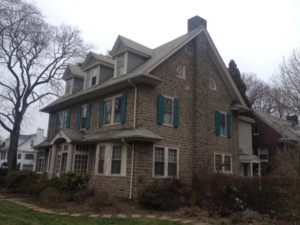
The modern farmhouse aesthetic refuses to fade, and for good reason. This style strikes that rare balance between warmth and sophistication, between country charm and contemporary clean lines. But here’s what trips up most homeowners: they see the beautiful homes on social media and assume any white paint will get them there.
When you get down to it, achieving that perfect modern farmhouse exterior requires understanding how colors interact, how different surfaces take paint, and why professional application makes all the difference between “looks nice” and “makes people slow down as they drive past your house.”
Understanding the Modern Farmhouse Color Philosophy
Modern farmhouse colors aren’t random selections from the paint store. They follow a deliberate philosophy that prioritizes simplicity without being sterile, warmth without feeling dated, and contrast without chaos. The palette centers on neutrals, but not all neutrals work for this aesthetic.
The foundation of modern farmhouse color schemes relies on what designers call “quiet colors.” These are shades that don’t demand attention but create a sense of calm and timelessness. White remains the dominant choice, but the specific white matters enormously. Stark, bright whites feel too clinical for this style. Instead, modern farmhouse exteriors typically feature whites with subtle warm undertones, colors that read as white from a distance but reveal hints of cream, gray, or even the faintest blush of beige up close.
Black serves as the contrasting element, but like white, not just any black will do. True jet black can feel too harsh against softer whites. Charcoal blacks and deep grays with black undertones provide the contrast modern farmhouse requires while maintaining the style’s characteristic warmth.
The third element in classic modern farmhouse palettes is wood tones, typically appearing in natural or stained wood accents. However, when these elements need paint rather than stain, warm grays, soft taupes, and muted greens fill this middle-tone role perfectly.
The Essential Modern Farmhouse Color Palette
The best painters in Harleysville and elsewhere who specialize in achieving this look understand that color selection goes beyond picking pretty shades. Each element of your home’s exterior needs thoughtful color assignment based on its architectural role.
| Exterior Element | Primary Color Options | Secondary Options | Why It Works |
| Main Siding | Warm white, soft white, cream | Light gray, greige | Creates clean backdrop that feels inviting |
| Trim & Windows | Crisp white, charcoal, black | Deep gray, warm gray | Provides definition and architectural detail |
| Doors | Black, charcoal, navy | Deep green, warm wood tones | Creates focal point and welcoming entry |
| Shutters | Black, charcoal | Deep green, navy, matching siding | Adds depth without overwhelming |
| Accents (Garage, Gables) | Board and batten in white | Natural wood, deep gray | Introduces texture and visual interest |
The magic happens in how these colors interact. A soft white siding with black trim and a charcoal door creates drama without feeling too modern or cold. Alternatively, cream siding with warm gray trim and a natural wood-tone door leans into the farmhouse side while maintaining contemporary cleanliness.
Color Combinations That Achieve the Look
Successful modern farmhouse exteriors don’t just pick colors, they create relationships between those colors. Here are the most effective combinations that deliver authentic modern farmhouse appeal:
- Classic Contrast: Soft white siding with black window trim, black shutters, and a black front door. This high-contrast approach is the most recognizable modern farmhouse look, creating crisp lines and architectural definition.
- Warm Neutral: Cream or greige siding with warm gray trim and a wood-tone or sage green door. This softer approach feels more traditionally farmhouse while still reading as contemporary.
- Subtle Sophistication: Light gray siding with white trim and charcoal accents. This inverted palette maintains modern farmhouse principles while offering a fresh take on the typical white-dominated scheme.
- Earthy Modern: Greige siding with black trim and a deep green or navy door. This combination brings in color while staying true to the neutral-heavy philosophy.
- Texture-Forward: White siding with board and batten details painted in slightly different whites or light grays, black trim, and natural wood accents. This approach relies on texture and subtle color variation rather than strong contrast.
The key to any of these combinations is consistency in undertones. Warm whites should pair with warm grays and warm wood tones. Cool whites work with cool grays and blue-leaning blacks. Mixing warm and cool tones within the same palette creates subtle discord that undermines the cohesive look you’re trying to achieve.
Surface Considerations for Modern Farmhouse Painting
Modern farmhouse homes often feature mixed materials on their exteriors, which affects how paint appears and performs. Understanding these surface differences ensures your color vision translates correctly to reality.
Wood siding takes paint beautifully and allows for the rich, even color that defines modern farmhouse aesthetics. However, wood requires proper preparation, including thorough cleaning, scraping of loose paint, and priming of bare wood. The grain and texture of wood also affect how light reflects off painted surfaces, giving depth to what might otherwise be flat color.
Vinyl siding presents different challenges. While it accepts paint well with proper primer, vinyl’s smooth surface reflects light differently than wood. Colors can appear slightly brighter or more uniform on vinyl, which can work for or against your modern farmhouse goals depending on the specific shades chosen.
Fiber cement siding, increasingly popular for its durability, holds paint exceptionally well and provides a smooth, consistent finish. This material excels at delivering the clean lines modern farmhouse requires, though the very smoothness means texture must come from architectural elements rather than the siding material itself.
Critical preparation steps for any surface include:
- Power washing to remove dirt, mildew, and loose paint
- Scraping and sanding rough areas to create smooth surfaces
- Filling gaps, cracks, and nail holes for seamless appearance
- Priming bare surfaces and stain-blocking problematic areas
- Caulking joints and seams to prevent moisture intrusion
Professional painters understand that modern farmhouse’s clean aesthetic reveals every imperfection. The simplicity of the color palette means preparation work becomes even more critical than with busier, more forgiving color schemes.
The Role of Architectural Details
Modern farmhouse exteriors gain their distinctive character not just from color but from how color emphasizes architectural features. Professional painting makes these details sing rather than simply covering them.
Board and batten siding is perhaps the most iconic modern farmhouse element. This vertical siding style creates strong visual lines that emphasize height and add texture. When painted, the narrow battens cast subtle shadows that create depth even in monochromatic schemes. Painting board and batten requires careful attention to ensure complete coverage in the grooves while avoiding drips and sags.
Window trim deserves special consideration. Wide, flat trim painted in contrasting colors frames windows like artwork, creating visual interest even in simple color palettes. The key is consistent paint thickness that doesn’t obscure the trim’s clean edges while providing complete coverage that will last through weather exposure.
Front doors serve as focal points in modern farmhouse design. A professionally painted door in a bold color like black or navy provides the visual anchor the home needs. This isn’t just about applying paint, it’s about achieving a smooth, even finish free from brush marks that can catch and reflect light unevenly.
Gable details, whether shingles, stone, or additional board and batten, offer opportunities for subtle variation within your color scheme. These upper elements can introduce your secondary or accent colors, drawing the eye upward and making homes feel taller and more substantial.
Why Professional Painting Elevates This Style
Modern farmhouse’s apparent simplicity actually makes it more demanding than many other exterior styles. Clean lines show every imperfection. Simple palettes reveal uneven coverage. Smooth surfaces highlight preparation shortcuts. This is where professional painting separates good attempts from stunning results.
Professional painters achieve the even, consistent coverage modern farmhouse requires through proper technique and quality materials. They understand how many coats specific colors need on various surfaces. They know that white often requires additional coats compared to darker colors, and they factor this into their work process and timeline.
The tools that a Willow Grove house painter will use also matter. High-quality brushes and rollers create smoother finishes with fewer visible marks. Professional spraying equipment delivers the ultra-smooth appearance modern farmhouse exteriors need, particularly on board and batten and other textured surfaces where brushwork can be challenging.
Professional expertise provides critical advantages:
- Color consultation that considers lighting, surroundings, and architectural features
- Surface-specific preparation that addresses each material’s unique requirements
- Application techniques that create smooth, even coverage without drips or lap marks
- Quality materials selected for durability and appropriate sheen levels
- Weather monitoring to ensure optimal painting conditions for lasting results
Experience also guides decisions about paint types. Professionals know which formulations adhere best to specific surfaces, resist fading in direct sun exposure, and withstand moisture in shadier areas. These informed choices directly impact how long your modern farmhouse look maintains its fresh appeal.
Sheen Selection for Forward-Thinking Farmhouse Exteriors
Paint sheen affects both appearance and durability, making it a critical decision for modern farmhouse exteriors. The wrong sheen can undermine your color choices, while the right selection enhances the overall aesthetic.
The recommended sheen hierarchy for modern farmhouse exteriors follows this pattern:
- Siding: Satin or eggshell finish provides subtle luster without harsh shine while hiding minor imperfections
- Trim and Windows: Semi-gloss emphasizes architectural details by catching light and offers superior durability
- Doors: Semi-gloss or gloss adds depth to colors and withstands weather exposure and frequent contact
- Accent Elements: Match sheen to adjacent surfaces for cohesion, typically satin for board and batten
Consistency in sheen choice matters. Using satin on all siding elements and semi-gloss on all trim creates visual cohesion even when colors contrast strongly. Mixing sheens randomly can make intentional color choices look accidental or haphazard.
Maintaining Your Modern Farmhouse Exterior
Professional painting delivers beautiful results, but maintenance preserves that beauty for years. Modern farmhouse exteriors, with their light colors and clean lines, show dirt and weathering more obviously than busier, darker schemes.
Annual power washing keeps surfaces fresh without requiring repainting, removing dirt, pollen, and mildew that gradually dull colors. Touch-up painting addresses small chips before they become larger problems, and white paints are particularly forgiving for touch-ups compared to darker colors. Inspect trim and caulking annually, particularly around windows and doors, as water intrusion threatens both paint and underlying structure.
Quality professional painting should last five to seven years with proper maintenance, though south-facing walls may show fading sooner due to sun exposure.
Getting Your Modern Farmhouse Vision Right
Achieving an authentic modern farmhouse exterior requires understanding how colors work together, how surfaces accept paint, and how professional application creates the clean, cohesive look this style demands. The difference between attempting this aesthetic and successfully executing it comes down to partnering with painters who understand both the technical requirements and design principles at play.
First Place Painting combines technical expertise with design trend knowledge to deliver modern farmhouse exteriors that stand out. Their preparation-focused approach ensures the smooth surfaces and consistent coverage this aesthetic requires. Ready to transform your home’s exterior? Contact First Place Painting today to discuss your modern farmhouse vision.
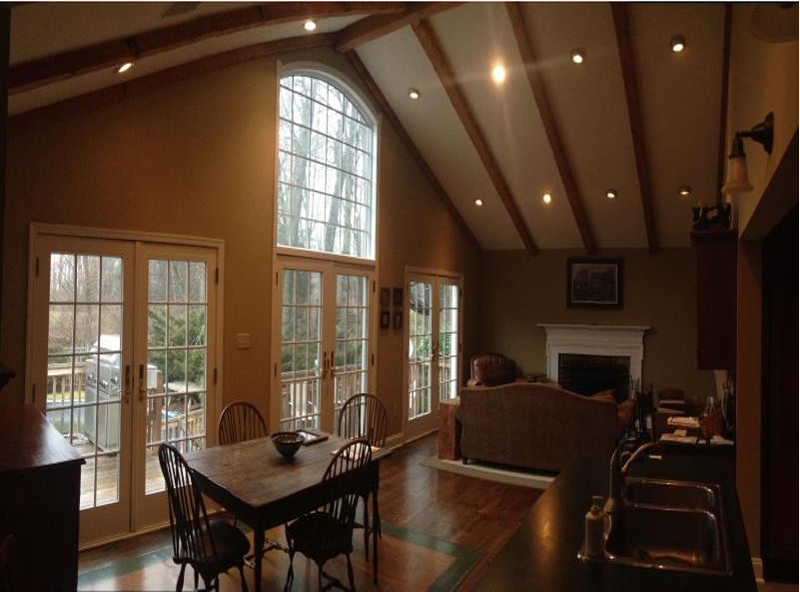
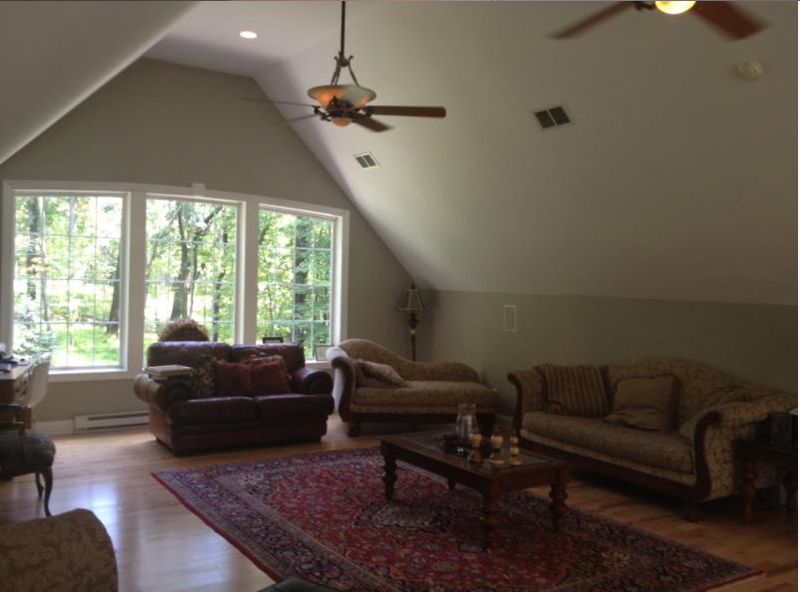
Our Interior Work
Our Exterior Work