So, you’re walking through your neighborhood on a crisp October morning, coffee in hand, admiring the stunning transformation of maple leaves from green to brilliant orange. The air feels different now, cleaner somehow, with that perfect balance of warmth and coolness that makes you want to linger outside just a bit longer.
As you pause to appreciate this natural masterpiece, your gaze drifts to your own home’s exterior, and suddenly you find yourself wondering, “If nature picks fall to show off its most beautiful colors, could this actually be the ideal time to give my home a fresh new look too?”
This question might seem counterintuitive at first glance, especially when most homeowners traditionally think of spring and summer as painting season, but the answer might surprise you in the best possible way.
Why Most People Get the Timing Wrong
Here’s the thing that catches most homeowners off guard: everyone assumes spring is the perfect time to paint their home’s exterior. After all, winter is finally over, the weather is warming up, and there’s this collective energy around fresh starts and home improvement projects. But here’s what happens in reality.
Come April and May, every house painter in Bucks County, PA, and beyond is booked solid, materials cost more due to increased demand, and you’re often stuck waiting weeks or even months to get on someone’s schedule.
Meanwhile, summer brings its own set of challenges that nobody really talks about until they’re dealing with them firsthand. The blazing heat makes working conditions miserable for painters, which can actually impact the quality of work.
Paint doesn’t behave the same way when it’s applied in extreme heat, and the results can be less than stellar. Plus, summer is vacation season, which means finding reliable contractors becomes even more challenging.
Fall, on the other hand, is like discovering a hidden gem that’s been sitting right there in plain sight all along. The demand for exterior painting drops significantly, contractors have more availability, and the weather conditions are actually ideal for paint application. It’s one of those situations where going against the conventional wisdom works out better for everyone involved.
The Science Behind Perfect Fall Painting Weather
Let’s dive into what makes fall weather so perfect for exterior painting projects. Temperature consistency is probably the most important factor that most people don’t think about. During autumn months, you get these wonderful stretches where daytime temperatures hover in that sweet spot between 50 and 70 degrees, and nighttime temperatures don’t drop dramatically. This consistency is crucial because paint needs time to cure properly, and extreme temperature swings can interfere with this process.
Humidity levels during fall are typically much more manageable than the sticky, moisture-heavy air of summer. High humidity can prevent paint from drying evenly and can lead to issues like poor adhesion or a finish that never quite looks right. Fall air tends to be drier and more stable, which means your paint job will cure more evenly and look better in the long run.
Here’s something else that might surprise you: fall often provides longer stretches of predictable weather. Summer can be unpredictable with sudden thunderstorms and heat waves, while spring weather can be all over the place. Fall typically offers more consistent forecasts, which means your painting project is less likely to be interrupted by unexpected weather changes.
Cost Advantages That Add Up Quickly
The financial benefits of fall exterior painting go well beyond just the basic project cost. When demand is lower, contractors often offer more competitive pricing because they want to keep their crews busy during what’s traditionally considered the slower season. This doesn’t mean you’re getting lower quality work, it simply means you’re taking advantage of basic supply and demand economics.
You’ll also find that material costs can be more favorable during fall months. Paint manufacturers and suppliers often run promotions during slower periods, and you won’t be competing with the spring rush when everyone is trying to buy the same products at the same time. Some contractors even pass these savings along to their customers, especially when they’re trying to fill their schedules for the season.
Another cost consideration that people often overlook is the potential for weather delays. Summer projects can drag on due to heat advisories or sudden storms, and every delay adds to your overall project cost. Fall projects tend to run on schedule more consistently, which helps keep costs predictable and contained.
Preparing Your Home for Winter Weather
Getting your exterior painted in fall is like giving your home a protective winter coat before the harsh weather arrives. Fresh paint provides a crucial barrier against moisture, which is especially important as temperatures start to fluctuate and winter weather approaches. Older paint that’s cracking or peeling can allow moisture to seep into your siding or trim, potentially causing damage that’s much more expensive to fix than prevention would have cost.
Fall painting also gives your home’s exterior time to fully cure and settle before winter weather hits. This curing period is important for long-term durability, and having those extra months before facing snow, ice, and freezing temperatures can significantly extend the life of your paint job.
There’s also a practical consideration here that many homeowners appreciate: getting exterior work done in fall means your home looks fresh and well-maintained throughout the winter months. There’s something satisfying about having a crisp, newly painted exterior when everything else in the neighborhood is looking a bit tired from the summer heat.
Scheduling and Contractor Availability Benefits
This is where fall exterior painting really shines compared to other seasons. During peak season, good contractors are juggling multiple projects, working long hours, and often rushing to fit everything in before weather becomes an issue. When you hire a painting contractor in fall, you’re more likely to get their focused attention and their best work.
Contractors appreciate fall projects because they can work at a reasonable pace without the pressure of extreme weather conditions. This usually translates to better attention to detail and higher quality results. Your project won’t be competing with the urgency of beating the first frost or working around vacation schedules.
The scheduling flexibility during fall also means you have more control over timing. If you need to coordinate your painting project with other home improvement work, or if you want to make sure it’s completed before hosting holiday gatherings, fall scheduling gives you more options to make everything work according to your preferences.
Ideal Temperature and Humidity Conditions
Understanding the technical aspects of why fall weather is perfect for painting can help you appreciate why this timing makes such a difference. Most high-quality exterior paints are formulated to be applied when temperatures are between 50 and 85 degrees Fahrenheit. Fall regularly provides days that fall right in this optimal range.
The humidity factor is equally important but less obvious to most homeowners. Paint needs to release moisture as it dries, but it also needs enough humidity in the air to cure properly. Fall humidity levels typically fall into that perfect middle ground where paint can dry at the right pace without becoming too brittle or taking too long to cure.
Here’s a comparison of seasonal painting conditions that illustrates why fall is often the sweet spot:
| Season | Temperature Range | Humidity Levels | Weather Predictability | Ideal for Painting |
| Spring | 40-75°F | Variable, often high | Unpredictable storms | Moderate |
| Summer | 70-95°F+ | High in most regions | Heat waves, storms | Poor |
| Fall | 45-75°F | Moderate, stable | Generally predictable | Excellent |
| Winter | Below 50°F | Variable | Snow, ice, freezing | Not recommended |
What About Winter Preparation?
One of the biggest advantages of fall exterior painting is how it sets your home up for success during the harsh winter months ahead. Fresh paint creates a protective barrier that helps prevent moisture damage, which is crucial when your home faces freezing temperatures, snow, and ice.
Think about what happens to exterior surfaces during winter: they expand and contract with temperature changes, face driving rain and snow, and deal with ice formation. Having a fresh, properly applied paint job means your home’s exterior can handle these stresses much better than if you were starting winter with old, weathered paint.
There’s also the practical benefit of having your exterior maintenance taken care of before winter arrives. Once cold weather sets in, exterior painting becomes impossible in most climates, so getting the work done in fall means you won’t be looking at peeling or damaged paint all winter long, wondering when you’ll be able to address it.
Making the Decision Work for Your Timeline
If you’re considering fall exterior painting, timing your decision is important. The best approach is to start planning and getting quotes in late summer, so you can have the work scheduled for early to mid-fall when conditions are optimal. This gives you time to choose the right contractor and ensures you’ll get on their schedule during the ideal weather window.
Don’t wait until late fall to make this decision, because weather windows can close quickly once temperatures start dropping consistently. Most professional painters in Collegeville and the surrounding areas have a good sense of when the season is ending in their area, and they’ll be honest about whether there’s enough time to complete your project properly.
Professional Results That Last
Working with experienced exterior painting professionals during fall often yields superior results compared to other seasons. Contractors can take their time with proper preparation, apply materials under ideal conditions, and ensure everything cures properly before winter weather arrives.
The combination of ideal weather conditions, focused contractor attention, and proper curing time typically results in paint jobs that last longer and look better than work completed during more challenging seasons. This means you’ll get more value from your investment and won’t need to worry about touch-ups or premature maintenance.
When you think about it, fall exterior painting makes perfect sense. You’re working with nature instead of against it, taking advantage of ideal weather conditions, and setting your home up for success during the challenging winter months ahead.
The cost savings, better contractor availability, and superior working conditions all combine to make fall the smart choice for exterior painting projects.
So as you’re enjoying those beautiful fall colors and that perfect autumn weather, consider whether this might be the ideal time to give your home the fresh, protective exterior it deserves. First Place Painting is the team to do it, with their bevy of experience and know-how. Contact us today to start planning the first brush strokes. Your home will thank you when winter arrives, and you’ll appreciate having the work completed during the most
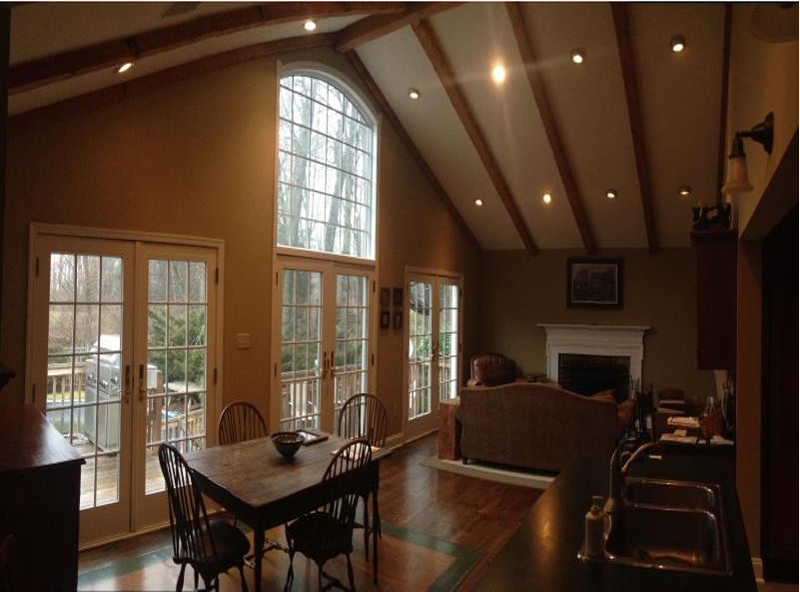
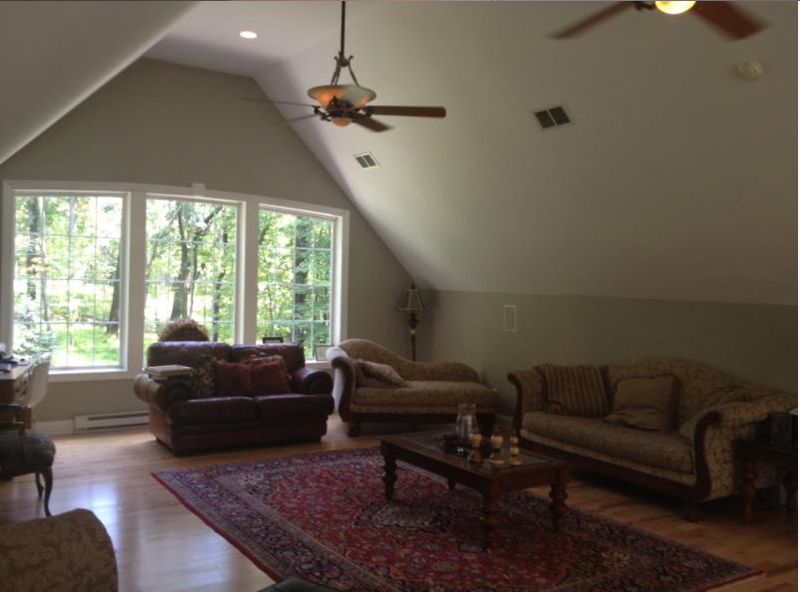
Our Interior Work
Our Exterior Work